

Flowers for Mom

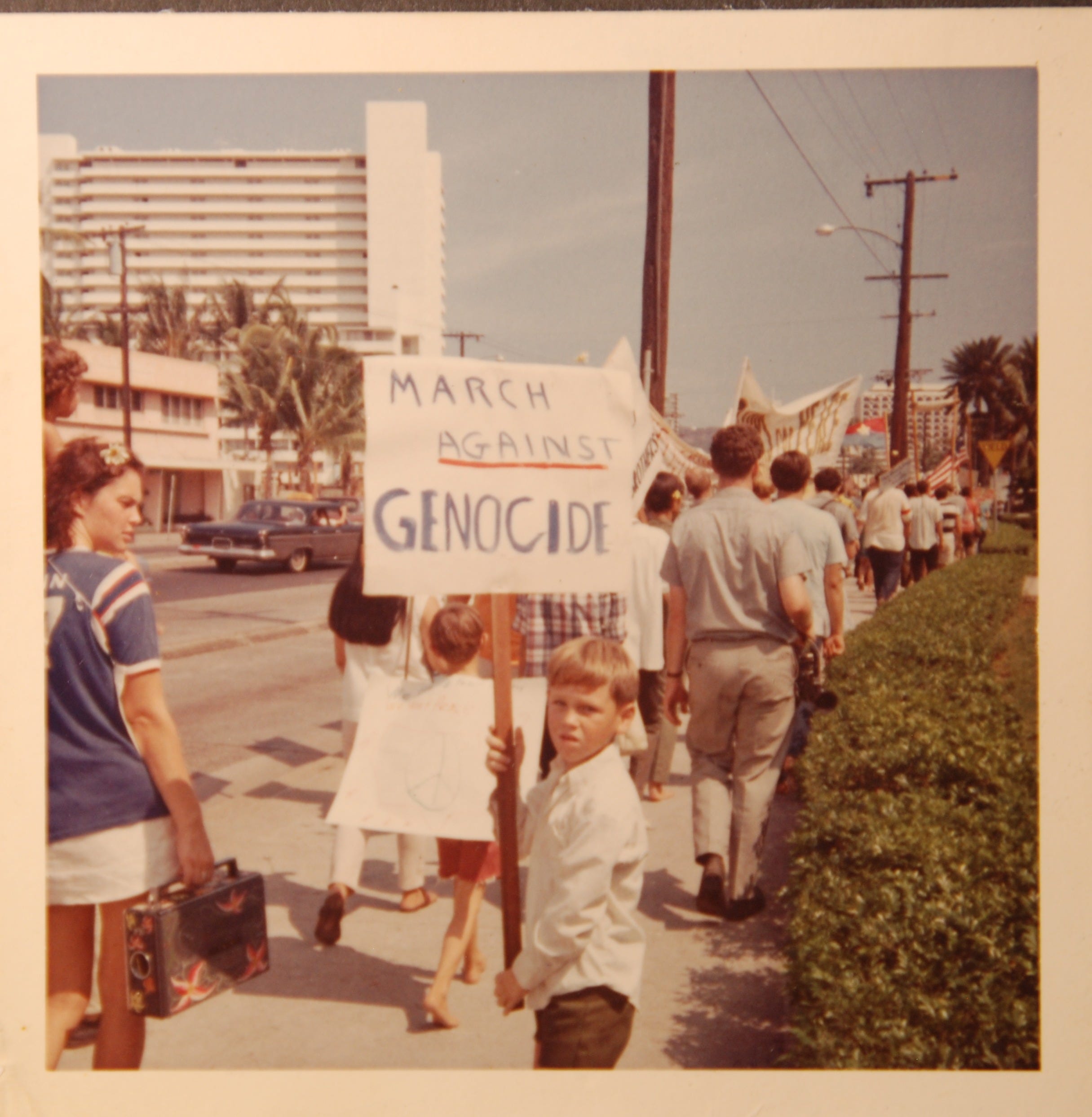
On my previous post, I discussed my inheritance of my mother’s lifelong collection of personal journals and diaries spanning from when she was a sixteen-year-old mother all the way until she died of liver cancer in her mid-seventies. Her life, at least as I remember it and through what I’ve been told from older brothers and the protagonist herself, was adventurous and varied. She was, at times: A stay-at-home mother of four boys all under the age of five, A go-go dancer at a popular bar for sailors on R & R during the height of the Vietnam War (with four kids), An aspiring and sometimes successful writer-director-actor in Los Angeles when no such thing existed in Hollywood, A heroin addict and fugitive from the law (Aiding in the theft and destruction of files used to draft soldiers into Vietnam.), A sober-living mentor who started a business taking schizophrenic patients on camping trips (not as crazy as it sounds).
It’s been over ten years since her death, but the vast collection of her diaries has remained packed away in a trunk and a couple of old suitcases in my garage. They’ve been waiting for a time when I felt ready to crack them open, sort them into some kind of order, and maybe use them to craft some kind of narrative based on the many wild adventures she managed to live through. Of course, I also wanted to gain insight into my own version of these adventures, since I lived through these escapades as the youngest of four boys raised by a single mother who cycled through various marriages as we moved from Boston to Honolulu to San Francisco to Anchorage to Isla Vista to Los Angeles.
I need to admit now, before you get your hopes too high, that I didn’t get very far in my effort to sort through and organize the emotional treasure house and minefield of Mom’s diaries. My initial thought, when I ventured into the spiderweb encrusted suitcases, was to unpack all the books and sort them into chronological order while checking to see if certain eras or main episodes of our lives were intact. (The things I had heard stories about or remembered in whatever fragmented way.) What I did instead, whether from instinct, self-preservation, or just random chance, was pick up the very last diary she had written. It was book half-finished, like her seventy-second year. With a kind of morbid curiosity, a picked up the diary and flipped to the final entries.
I’m not sure what I was hoping to find, but there was no Yoda-like nugget of wisdom sagely produced by a traveler through life about to embark on her next adventure into the unknown. The best way I describe my mom’s last diary entries is by referring to a classic of literature that used to be standard reading for kids in Middle School. Who knows? Maybe it still is. The book, Flowers for Algernon by Daniel Keyes, was later adapted into the film Charly for which Cliff Robertson won an Academy Award for best actor. I’ve never seen the film, but the book has always stayed with me. It’s kind of a Sci-Fi story, set in the not-too-distant future. Charlie Gordon is a mentally disabled guy who undergoes a surgical procedure to increase his intelligence. As the operation takes effect, the style, vocabulary, and content of his writing gradually evolves, and this evolution of the style and content of the writing is reproduced in the book. The prose goes from simplistic and child-like, full of spelling errors to something closer to the erudite musings of a philosophy professor. (At least, that’s how I remember the book.) Unfortunately, Charlie soon learns that the intelligent-enhancing effects of the surgical procedure are only temporary. As the effects begin to reverse, Charlie’s prose gradually reverts back to simplistic gibberish.
Reading my mom’s last entries in her diary was like reading Flowers for Algernon as Charlie goes into decline. Not only was the prose increasingly simplistic as she got closer to death, her handwriting became more and more unintelligible. As I paged from the blank pages of her death, further back in time and thus earlier in the progression of her illness, I discovered that her daily entries, at least after she was diagnosed, were not a listing of her inner thoughts, events of the day, of musings about life (and death) as I expected. What I found instead was a kind of rote exercise in which she struggled to set down a simple list of affirmations. In many ways, the last pages of her diary were like a humble daily prayer that she struggled to scratch out each day as her life drifted away.
Although I was at first disappointed, and, I must report, that impulsive glimpse of her last diary stopped me (for the moment) from delving further into the stack, I guess Mom’s use of her diary in her final days does get at something about writing that doesn’t have much to do with readers or audiences, with what my agent (or prospective agent) might think, if my script will attract the right talent or investor, or even how many likes I’ll get on Substack. Writing for my mom at the end of her life was like mumbling a prayer, a prayer uttered so many times that the words themselves lose, or maybe even transcend, their individual meaning.
Whether saying these prayers - enacting the ritual of writing - actually makes something happen in the world is debatable. Still, there’s no doubt performing those daily entries in her diary, however feebly gave Mom some comfort. Maybe it’s the act of writing in itself that can help us make it through the day – until we don’t.
I didn’t get some philosophical insight or pithy “last words” from my mom’s final diary entries. It was sad to see in such calligraphical detail her mental and physical decline as she succumbed to her illness. But there was, after all, something wise in those entries. Her struggle to keep writing every day – even if what she was writing was only the repetition of a kind of prayer, phrases repeated, the words eventually declining to scratches of ink on paper barely discernable as letters – kept her connected to life and, at the same time, helped her enter death. Writing became both her way of expressing her singular identity and her way of acknowledging that deeper connection to the vast, undifferentiated Other we sometimes call Death.
Or maybe her pen just ran out of ink.
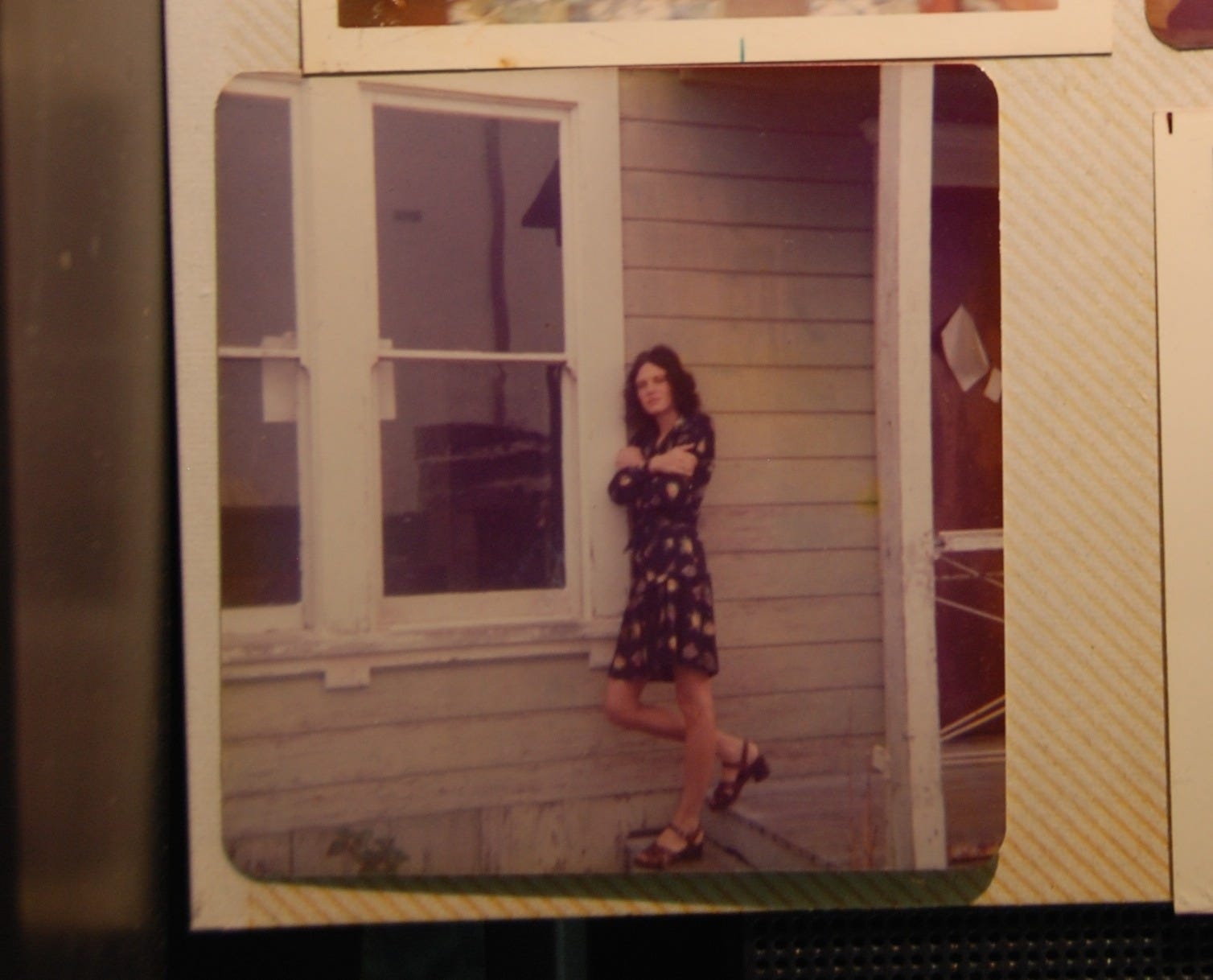
Sometimes we lose people even before they pass. An interesting life nonetheless.
Mahalo for sharing this.